Podiatry Care Can Help Manage Foot and Ankle Arthritis

Ankle pain caused by arthritis can make walking, standing, and staying active more difficult. Arthritis affects the joints and can lead to pain, stiffness, and swelling around the ankle. Several types of arthritis can involve this area. Osteoarthritis develops as cartilage within a joint gradually breaks down. Inflammatory forms of arthritis can cause ongoing joint inflammation. Arthritis may also develop after a previous ankle injury, sometimes years after the original damage occurred. Symptoms can range from mild discomfort to pain that limits movement. Since ankle pain has many possible causes, determining whether arthritis is responsible is an important part of choosing appropriate treatment.


Arthritis-related ankle pain may become more noticeable during weight-bearing activities. Stiffness can reduce the ankle’s normal range of motion, while swelling may make movement uncomfortable. Some people also notice tenderness around the joint or changes in the way they walk. When ankle movement becomes painful, a person may place more pressure on other areas of the foot. This can contribute to additional discomfort and affect overall mobility. Arthritis symptoms may develop gradually or become worse over time. Persistent ankle pain, swelling, or stiffness should be evaluated to determine the type of arthritis and how much the joint has been affected.


A podiatrist can provide specialized arthritis foot care and evaluate how ankle arthritis is affecting movement. An examination may include checking joint mobility, areas of tenderness, and walking patterns. Imaging may also be used to look for changes within the ankle joint. Based on the diagnosis, a podiatrist can develop an individualized treatment plan aimed at reducing discomfort and supporting foot and ankle function. Podiatric care can also address changes in foot mechanics that may place added stress on painful joints. If ankle pain, swelling, or stiffness from arthritis is limiting your ability to walk comfortably, it is suggested that you consult a podiatrist for an evaluation and appropriate treatment options.

Arthritis can be a difficult condition to live with. If you are seeking treatment, contact One of our podiatrists from Aurora Foot & Ankle Clinic. Our doctors can provide the care you need to keep you pain-free and on your feet.

Arthritic Foot Care  

Arthritis is a joint disorder that involves the inflammation of different joints in your body, such as those in your feet. Arthritis is often caused by a degenerative joint disease and causes mild to severe pain in all affected areas. In addition to this, swelling and stiffness in the affected joints can also be a common symptom of arthritis.

In many cases, wearing ill-fitting shoes can worsen the effects and pain of arthritis. Wearing shoes that have a lower heel and extra room can help your feet feel more comfortable. In cases of rheumatoid arthritis, the arch in your foot may become problematic. Buying shoes with proper arch support that contour to your feet can help immensely.

Alleviating Arthritic Pain

  • Exercises that stretch the foot can prevent further pain and injury and increase mobility
  • Most of the pain can be alleviated with anti-inflammatory drugs, heat, and topical medications
  • Massages can help temporarily alleviate pain.

It is best to see your doctor for the treatment that is right for your needs and symptoms. Conditions vary, and a podiatrist can help you determine the right method of care for your feet.

If you have any questions please feel free to contact our office located in Langley, BC . We offer the newest diagnostic tools and technology to treat your foot and ankle needs.

Read more about Arthritic Foot Care

Ankle Fracture? Don’t Wait for Treatment

If you're suffering from an ankle fracture, professional attention shouldn't wait. Fractures may worsen over time and can make completing everyday activities incredibly difficult. See your specialist for treatment and guidance through the healing process. 

Hammertoe Explained

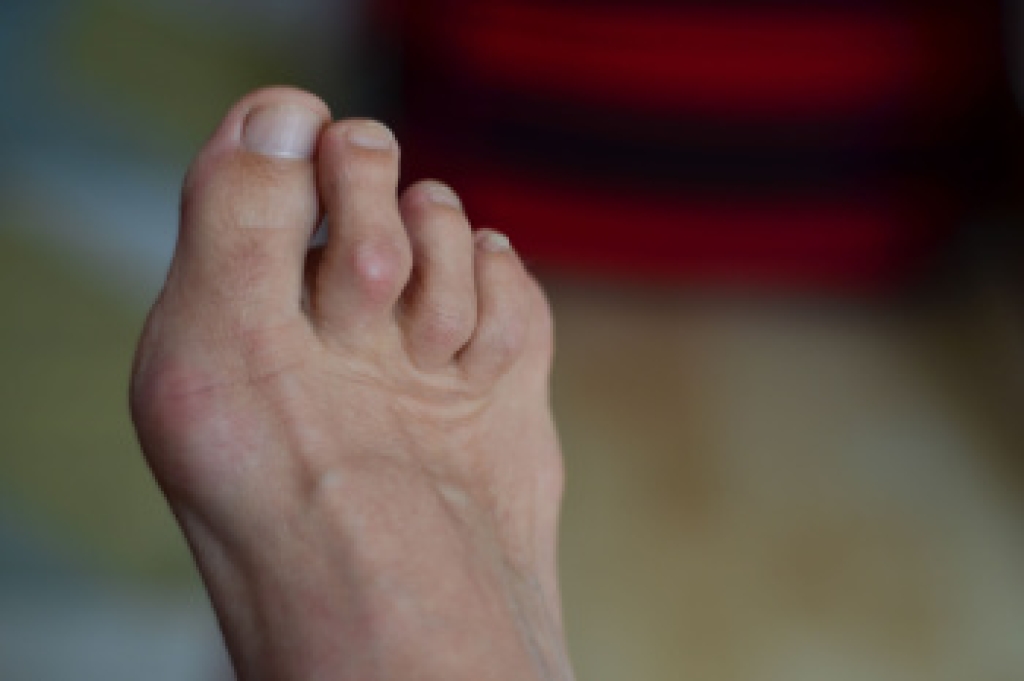
Hammertoe is a foot deformity that causes one or more toes to bend downward at the middle joint, creating a curled or claw-like appearance. This condition most often affects the second, third, or fourth toes and develops when the muscles, tendons, and ligaments surrounding the toe become unbalanced. A tendon imbalance can pull the toe joint out of its normal position, causing misalignment of the joint surfaces and gradual changes in toe structure. While hammertoe may begin as a flexible deformity, it can become rigid over time and lead to ongoing discomfort.

Symptoms of hammertoe can vary depending on the severity of the condition. Many people experience pain while wearing shoes because the bent toe rubs against the inside of footwear, creating pressure points. Additional symptoms include swelling, redness, and difficulty moving the affected toe. As the toe becomes more fixed, finding comfortable shoes may become increasingly challenging.


Several factors can increase the risk of developing hammertoe. Wearing tight-fitting shoes, narrow toe-box footwear, or high heels can place excessive pressure on the toes and contribute to deformity. Foot structure, genetics, and muscle imbalance, may also increase the likelihood of developing this condition. Previous toe injuries can also be a factor. Certain medical conditions, including rheumatoid arthritis, can affect the joints and contribute to toe misalignment. Injuries that damage the muscles, tendons, or ligaments of the foot may also interfere with normal toe movement and alignment.


A podiatrist can evaluate hammertoe by examining the foot, reviewing symptoms, and determining whether the deformity is flexible or rigid. Treatment options include footwear changes, padding, and stretching exercises. Custom orthotics and other conservative approaches are designed to reduce pressure and improve foot function. More advanced cases may require surgery to restore proper toe alignment and relieve pain. If you have developed hammertoe, it is suggested that you consult a podiatrist for effective relief and management solutions.

Hammertoe

Hammertoes can be a painful condition to live with. For more information, contact One of our podiatrists from Aurora Foot & Ankle Clinic. Our doctors will answer any of your foot- and ankle-related questions.

Hammertoe is a foot deformity that affects the joints of the second, third, fourth, or fifth toes of your feet. It is a painful foot condition in which these toes curl and arch up, which can often lead to pain when wearing footwear.

Symptoms

  • Pain in the affected toes
  • Development of corns or calluses due to friction
  • Inflammation
  • Redness
  • Contracture of the toes

Causes

Genetics – People who are genetically predisposed to hammertoe are often more susceptible

Arthritis – Because arthritis affects the joints in your toes, further deformities stemming from arthritis can occur

Trauma – Direct trauma to the toes could potentially lead to hammertoe

Ill-fitting shoes – Undue pressure on the front of the toes from ill-fitting shoes can potentially lead to the development of hammertoe

Treatment

Orthotics – Custom made inserts can be used to help relieve pressure placed on the toes and therefore relieve some of the pain associated with it

Medications – Oral medications such as anti-inflammatories or NSAIDs could be used to treat the pain and inflammation hammertoes causes. Injections of corticosteroids are also sometimes used

Surgery – In more severe cases where the hammertoes have become more rigid, foot surgery is a potential option

If you have any questions, please feel free to contact our office located in Langley, BC . We offer the newest diagnostic and treatment technologies for all your foot care needs.

Read more about What Are Hammertoes?

Custom Orthotics For Seniors

Age gracefully and move freely with Custom Orthotics. For seniors seeking to maintain their independence, Custom Orthotics offer the stability and comfort essential for daily activities. Custom-tailored to your feet, they provide support, reduce pain, and enhance mobility, ensuring you're always on sure footing. Don't let age-related foot concerns hold you back. With Custom Orthotics, embrace every golden moment with confidence. Call today to schedule an appointment.

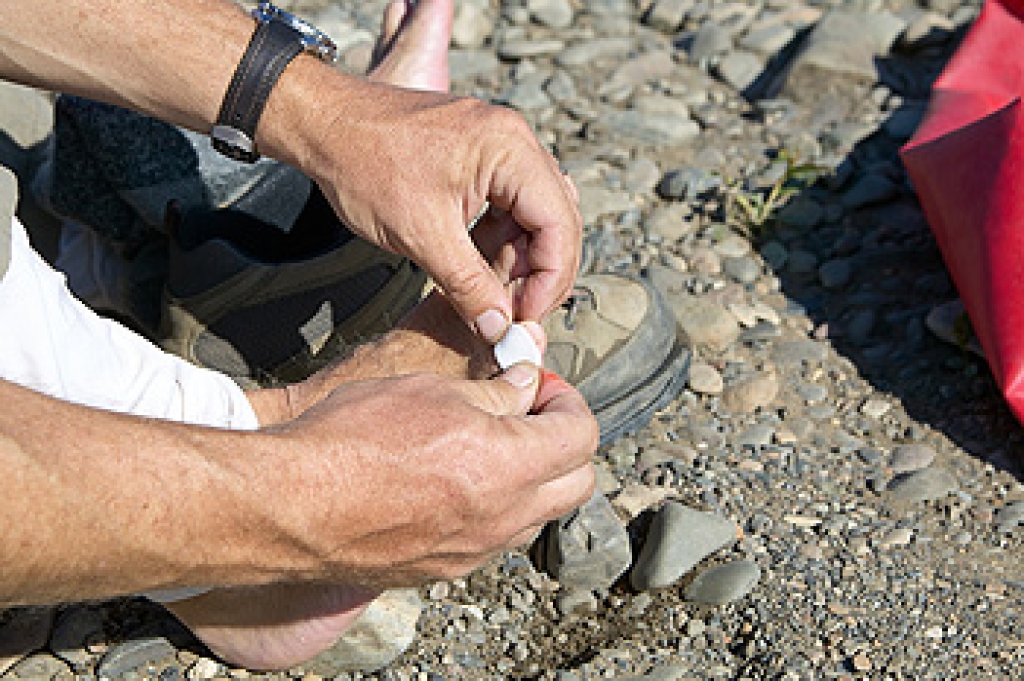
Hiker’s Toenail and Trail-Related Toe Injuries

Toe pain during hiking can result from repeated impact, friction, and pressure placed on the feet over time. One of the most common causes is hiker’s toenail, a condition where the nail becomes damaged due to constant contact with the inside of the boot. This issue is especially common during long hikes or steep descents, where the toes are pushed forward repeatedly. Recognizing the definition and causes of hiking-related toe pain can help individuals take steps to prevent discomfort and injury.

Common symptoms include aching pain, swelling, redness, and sensitivity in the toes. Hikers may also notice darkened toenails, which can indicate bruising beneath the nail surface. Risk factors include poorly fitted hiking boots, long or uneven toenails, and excessive moisture within the shoe. These factors increase friction and pressure, leading to irritation and potential nail damage. Carrying heavy loads or hiking on rugged terrain can further increase stress on the toes.


Proper preparation plays a key role in preventing toe injuries. Trimming toenails before a hike helps reduce the chance of nail impact against the boot. Selecting well-fitted hiking boots with adequate toe space allows for natural movement and reduces pressure. Secure lacing can prevent the foot from sliding forward, especially on downhill paths. Moisture control through breathable socks can also help minimize friction and protect the skin from irritation.


Maintaining healthy feet is essential for safe and enjoyable hiking. Addressing risk factors and using proper gear can significantly reduce the likelihood of toe pain. These steps support comfort and help prevent long-term issues. If you have toe pain from hiking or signs of hiker’s toenail, it is suggested that you consult a podiatrist for effective relief and treatment solutions. 

Toe pain can disrupt your daily activities. If you have any concerns, contact One of our podiatrists of Aurora Foot & Ankle Clinic. Our doctors can provide the care you need to keep you pain-free and on your feet.

What Causes Toe Pain?

Most severe toe pain is caused due to a sports injury, trauma from dropping something heavy on the toe, or bumping into something rigid. Other problems can develop over time for various reasons.

Toe pain can be caused by one or more ailments. The most common include:

  • Trauma
  • Sports injury
  • Wearing shoes that are too tight
  • Arthritis
  • Gout
  • Corns and calluses
  • Hammertoe
  • Bunions
  • Blisters
  • Ingrown toenails
  • Sprains
  • Fractures (broken bones)
  • Dislocations

When to See a Podiatrist

  • Severe pain
  • Persistent pain that lasts more than a week
  • Signs of infection
  • Continued swelling
  • Pain that prevents walking

Diagnosis

In many cases the cause of toe pain is obvious, but in others, a podiatrist may want to use more advanced methods to determine the problem. These can range from simple visual inspections and sensation tests to X-rays and MRI scans. Prior medical history, family medical history, and any recent physical traumatic events will all be taken into consideration for a proper diagnosis.

Treatment

Treatments for toe pain and injuries vary and may include shoe inserts, padding, taping, medicines, injections, and in some cases, surgery. If you believe that you have broken a toe, please see a podiatrist as soon as possible.

If you have any questions please contact our office located in Langley, BC . We offer the newest diagnostic and treatment technologies for all your foot and ankle needs.

Read more about Toe Pain